MALE BREAST REDUCTION FOR GYNECOMASTIA
IMPROVE THE SHAPE OF YOUR CHEST AND ENHANCE YOUR CONFIDENCE
CONTENTS
BENEFITS OF MALE BREAST REDUCTION FOR GYNECOMASTIA
CAUSES AND SYMPTOMS OF GYNECOMASTIA
CANDIDACY FOR MALE BREAST REDUCTION TO TREAT GYNECOMASTIA
Gynecomastia is a common condition characterized by excess male breast tissue, often leading to concerns about chest appearance and self-confidence. More men than ever are seeking male breast reduction surgery for gynecomastia in Philadelphia, Villanova, and surrounding areas. Male breast reduction surgery at Cross Medical Group, performed by board-certified plastic surgeons Dr. Kevin Cross and Dr. Jackie Lyons, offers a safe, effective solution to remove excess glandular tissue and fat while sculpting a flatter, firmer, and more masculine chest contour using modern surgical techniques.
Male breast reduction for gynecomastia continues to be a highly sought-after procedure in 2026 due to its long-lasting results and high patient satisfaction rates. By addressing both the physical and emotional effects of the condition, this procedure can significantly enhance body confidence, improve clothing fit, and restore overall quality of life. Patients in the Philadelphia and Villanova region trust this specialized gynecomastia surgery to achieve natural-looking, confidence-boosting results.
BENEFITS OF MALE BREAST REDUCTION FOR GYNECOMASTIA
Male breast reduction for gynecomastia is highly effective surgery, designed to treat excess male breast tissue and restore a more masculine chest contour. Gynecomastia is a common condition caused by excess glandular tissue, fat, or both, often linked to hormonal imbalances, medications, genetics, or underlying health concerns. For many men, gynecomastia can lead to both physical discomfort and emotional distress, making male breast reduction a sought-after solution for long-term improvement.
Gynecomastia surgery focuses on removing excess tissue and sculpting the chest to create a flatter, firmer, and more defined appearance. During male breast reduction, surgeons may use advanced liposuction techniques, direct glandular excision, or a combination of both to achieve optimal results. Each gynecomastia surgery procedure is customized based on the severity of gynecomastia, skin elasticity, and the patient’s desired outcome, ensuring natural-looking and balanced results.
Beyond the physical transformation, male breast reduction for gynecomastia provides significant confidence-boosting benefits. Many patients report improved self-esteem, better clothing fit, and relief from the social and psychological effects of gynecomastia. When performed by experienced surgeons, gynecomastia surgery is a safe and reliable procedure with high patient satisfaction. Overall, male breast reduction offers a comprehensive solution for men looking to permanently address gynecomastia and achieve a more confident, masculine appearance.
CAUSES AND SYMPTOMS OF GYNECOMASTIA
Gynecomastia is a widely experienced condition in men, involving the enlargement of breast tissue that can create a more feminine chest appearance. This change often impacts confidence and body image, leading many men to feel uncomfortable in situations where the chest is exposed, such as at the gym, pool, or beach. In some cases, gynecomastia can also contribute to emotional discomfort and reduced self-assurance in social or intimate settings. While certain cases—particularly in younger men—may improve naturally over time or after changes in medication or hormone levels, many individuals ultimately seek gynecomastia surgery or male breast reduction for a more definitive solution.
In addition to true gynecomastia, chest fullness in men may also result from stubborn fat deposits that do not respond to regular diet and exercise. Following significant weight loss, some men are left with stretched or lax skin that further affects chest shape and definition. These concerns can make it difficult to achieve a toned, masculine appearance and may influence clothing choices as a result.
Fortunately, modern gynecomastia surgery techniques offer effective solutions for all contributing factors, including glandular tissue, excess fat, and loose skin. Through individualized treatment approaches, men can achieve a more sculpted, natural-looking chest contour and restore confidence in their appearance.

CONNECT WITH OUR TEAM
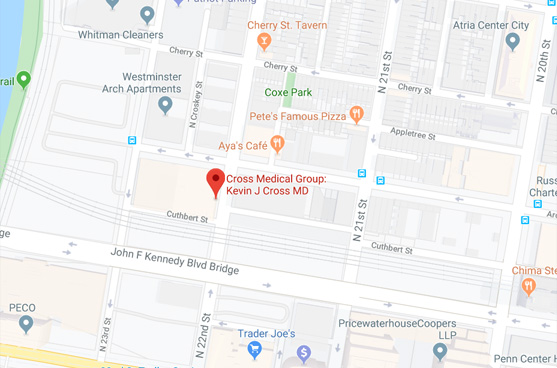
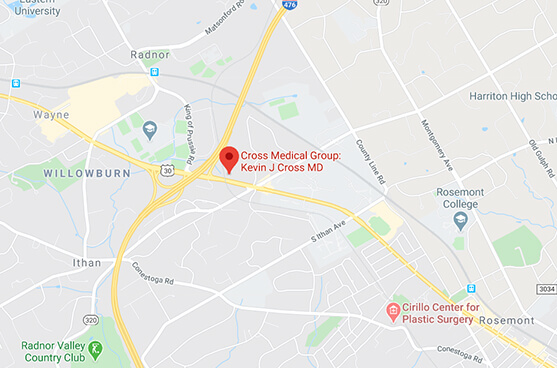
Reclaim your confidence with male breast reduction surgery for gynecomastia in Philadelphia or Villanova at Cross Medical Group. Contact board-certified plastic surgeons Dr. Kevin Cross or Dr. Jackie Lyons at (215) 561-9100 (Philadelphia) or (610) 688-9100 (Villanova), or send a message online to request a consultation.
CANDIDACY FOR MALE BREAST REDUCTION TO TREAT GYNECOMASTIA
Some men pursue chest enhancement to improve definition when pectoral muscles are underdeveloped, while others are affected by a different concern—excess breast tissue that masks natural muscle tone. Gynecomastia is a condition defined by the enlargement of glandular tissue in the male chest, often creating a fuller or more feminized appearance. Male reduction surgery is designed to correct this imbalance by removing excess tissue and restoring a flatter, more masculine chest contour.
Ideal candidates for male breast reduction are men with persistent chest enlargement that does not improve with diet, exercise, or lifestyle changes. In many cases, gynecomastia surgery is recommended when the condition leads to physical discomfort, difficulty with clothing fit, or emotional distress. Candidates for gynecomastia surgery should be in good general health and have realistic expectations about surgical outcomes.
Men with a stable body weight and fully developed chest—typically after puberty—are often the best candidates for male breast reduction, as adolescent hormonal fluctuations may still resolve naturally. This surgery can effectively address glandular enlargement, excess fat deposits, and in some cases skin laxity or chest asymmetry, creating a more balanced and sculpted appearance.
Common concerns that lead men to seek gynecomastia treatment include a chest that appears disproportionate to the rest of the body, visible fullness through clothing, or self-consciousness in fitted or wet garments. These aesthetic and functional concerns often significantly impact confidence and quality of life.
A consultation with an experienced surgeon, such as Dr. Cross or Dr. Lyons, is essential to properly evaluate gynecomastia and determine the most appropriate surgery plan. Candidates should be free from medical conditions that interfere with surgery or anesthesia and committed to maintaining a healthy lifestyle to support long-term results. Overall, male breast reduction surgery offers a safe and effective solution for men seeking improved chest contour and greater self-confidence.
GYNECOMASTIA SURGERY FAQS
Gynecomastia refers specifically to the enlargement of glandular breast tissue in men, which cannot be reduced through diet or exercise alone. In contrast, excess chest fat is related to overall body fat distribution and may improve with weight loss and fitness efforts.
Many patients undergoing male breast reduction surgery actually present with a combination of both glandular tissue and fat. Gynecomastia surgery is designed to address both components when necessary, creating a more defined and masculine chest appearance.
Yes, this surgery is highly effective in improving chest symmetry in men with uneven or asymmetrical breast tissue. During male breast reduction for gynecomastia, surgeons carefully remove excess glandular tissue and fat while sculpting both sides of the chest to achieve a more balanced and proportional appearance.
In many cases of gynecomastia, one side of the chest may be more prominent than the other, which can be corrected through precise contouring techniques. The goal of surgery is not only to reduce fullness but also to create a natural, symmetrical, and masculine chest contour.
Prior to having surgery, you might be asked to get lab testing or a medical evaluation, avoid taking certain medications or adjust how you’re taking your current medications, stop smoking if you smoke, and avoid taking medications or supplements that increase bleeding. We will provide further information on how best to prepare for gynecomastia surgery when you meet with us for a consultation.
Regardless of the cause of gynecomastia, male breast reduction surgery is typically performed as an outpatient procedure, allowing patients to return home the same day. Most men undergoing male breast reduction are able to return to work within a few days and gradually resume exercise and normal activities within a couple of weeks. Modern surgery techniques are minimally invasive, often utilizing very small incisions that heal discreetly and are typically not noticeable even when shirtless.
During male breast reduction, Dr. Cross and Dr. Lyons commonly use liposuction to remove excess fat and contour the chest for a flatter, more masculine appearance. In many cases of gynecomastia, skin naturally retracts after fat removal, making this approach highly effective for mild to moderate cases. More advanced surgery may also involve removal of excess glandular tissue beneath the nipple through a small, carefully placed incision, and in some cases, excision of loose skin to achieve optimal chest definition and long-lasting results.
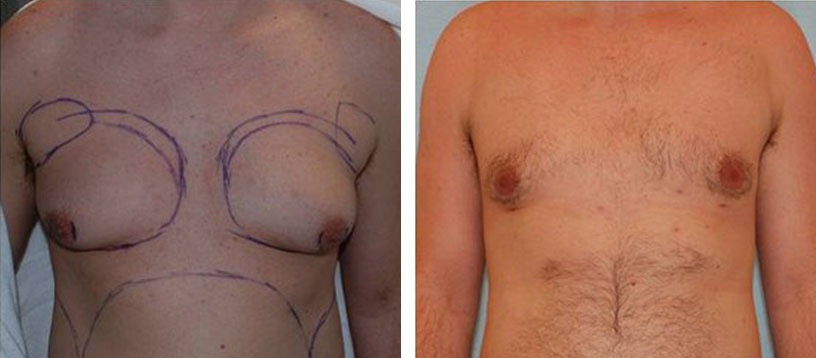
*Results May Vary
Before & After Photo Gallery
See for yourself the patient transformations that can be achieved by Dr. Cross, Dr. Lyons, and their team.
Liposuction can be an effective treatment for gynecomastia when excess fat is the primary cause of an enlarged male chest. In these cases, the procedure can contour the chest by removing fat deposits through small incisions, resulting in a smoother, more sculpted appearance. Men with good skin quality and minimal sagging are typically the best candidates for liposuction alone.
However, not all forms of gynecomastia can be treated this way. In many patients, the condition involves dense glandular tissue that cannot be removed with liposuction alone. Glandular tissue is firm and fibrous, often requiring direct surgical excision for complete correction. A thorough evaluation is necessary to determine whether liposuction on its own is sufficient or whether a combination of liposuction and tissue excision is needed to achieve optimal results.
Recovery after male breast reduction surgery is relatively straightforward. Patients will wear a chest wrap for the first few days after surgery to decrease swelling in the area. Normal activity can be resumed within a few days, and full activity and exercise are typically possible within two weeks. The healing process unfolds gradually and varies for each individual. Proper post-operative care, including wearing compression garments and following your surgeon’s guidelines, is essential for optimal healing and to minimize complications. With attentive care, the results of gynecomastia surgery become more defined as swelling decreases, leading to a smoother, flatter chest contour.
The results of male breast reduction for gynecomastia are visible immediately after the procedure, although initial swelling and bruising may temporarily conceal the final outcome. As the healing process progresses, swelling gradually subsides and incision lines continue to fade, with the final results of surgery typically becoming fully apparent within three to six months. This refined recovery timeline allows patients to see a progressively flatter, more masculine chest contour over time.
To maintain long-lasting results after male breast reduction, it is important to address any underlying causes of gynecomastia, such as hormonal imbalances, prior to surgery when applicable. Patients are also encouraged to maintain a stable weight and follow a healthy lifestyle, as significant weight fluctuations can impact chest appearance. Regular exercise, including strength training that targets the chest muscles, can further enhance and preserve the results of gynecomastia surgery, helping patients maintain a firmer, more defined, and masculine chest contour long term.
In most cases, gynecomastia surgery provides lasting results because the removed glandular tissue does not grow back. Male breast reduction surgery effectively eliminates the excess tissue responsible for the enlarged chest appearance, making recurrence unlikely when performed correctly. This is why gynecomastia surgery is considered a long-term solution for most patients.
However, future weight gain, hormonal imbalances, or use of certain medications or supplements can affect chest appearance over time. Maintaining a stable weight and healthy lifestyle is essential to preserve the results of male breast reduction. When these factors are controlled, recurrence of gynecomastia after surgery is rare.
Take Your Results Further with These Complementary Treatments
For men seeking a more defined and athletic physique, there are several body contouring procedures that complement male breast reduction for gynecomastia. In addition to gynecomastia surgery, procedures such as a tummy tuck (abdominoplasty) can tighten separated abdominal muscles while removing excess skin and fat—making it an excellent option for patients who have experienced significant weight loss and want a more sculpted, contoured midsection. Liposuction is also commonly used to target stubborn fat deposits in the abdomen and flanks that do not respond to diet and exercise.
Men concerned with loose or sagging skin after weight loss or aging may benefit from procedures such as brachioplasty (arm lift) to restore a firmer, more toned appearance to the upper arms. Additional body contouring options include lower body lifts, thigh lifts, and buttock lifts, all designed to enhance overall definition and proportion. For patients seeking facial refinement, procedures such as facelift and neck lift surgery can address excess skin and fat under the chin and jawline, including concerns like a double chin, helping create a more balanced and sculpted appearance that complements the results of gynecomastia surgery.
BOOK NOW
Sculpt a flatter, more masculine chest contour with male breast reduction surgery for gynecomastia in Philadelphia and Villanova at Cross Medical Group. Call us at Philadelphia (215) 561-9100 or Main Line's Villanova (610) 688-9100. You can also send a message online to inquire about a consultation or for more information.